

Fingerprint Analysis
-
Home
DNA CRIMINAL AND FORENSIC COMPUTING CONSULTANCY
Next Generation Criminal Solutions

Fingerprint Analyses
Fingerprint analysis plays a fundamental role in solving crimes in forensic science. Every person’s fingerprints are unique; this uniqueness makes it an indispensable method of identity verification in criminal investigations. These prints are left when a person touches a surface, and fingerprints found at crime scenes can be used to identify suspects or link them to crimes.

Fingerprint Analysis-Image-1
Modern forensic techniques involve collecting, preserving, and analyzing these prints, helping forensic experts solve crimes and ensure justice is served. Fingerprint analysis is a complex process requiring scientific precision and methodological rigor, and this article will examine in detail how this process is conducted, the techniques used, and technological advances in this field.
The Importance of Fingerprint Analysis
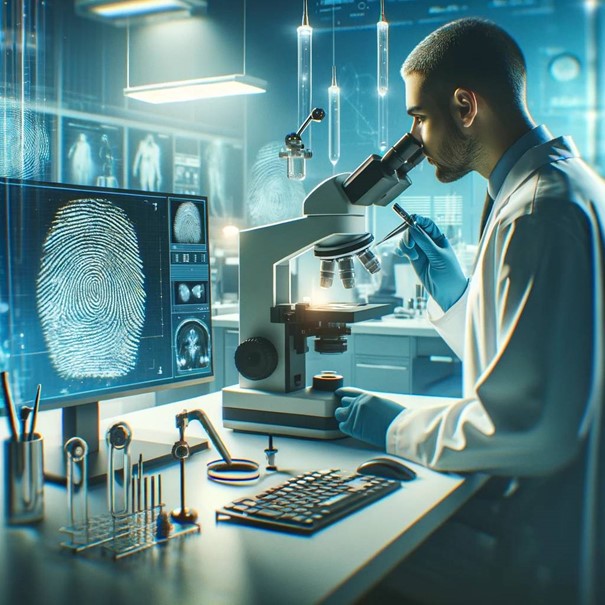
Fingerprint analysis holds a unique place in forensic science and is an indispensable part of criminal investigations. Each individual’s fingerprints are unique, making them one of the most valuable pieces of evidence collected from crime scenes. These prints are marks left by anyone who touches a surface and can leave visible or latent prints on most surfaces.
The Importance of Fingerprint Analysis-Image-2
Role in Criminal Investigations: Fingerprints are used to verify the identities of suspects found at crime scenes. Additionally, fingerprints provide a broad context that helps solve crimes when combined with other evidence from crime scenes.
Scientific Certainty: Fingerprints carry microscopic features unique to each individual, making them highly reliable evidence for forensic determinations. Forensic experts can use these prints to definitively prove suspects’ presence or determine whether individuals were present at crime scenes.
Due to these characteristics, fingerprint analysis is considered one of the most important techniques in forensic science and continues to be used as an effective tool in criminal investigations. Daily advances in technology and methodology are making this field more precise and accessible.
Fingerprint Collection Methods
Fingerprint collection is one of the most critical processes in forensic science. This process involves carefully collecting fingerprints found at crime scenes or other relevant locations. These methods ensure prints are preserved without degradation and stored optimally for analysis.
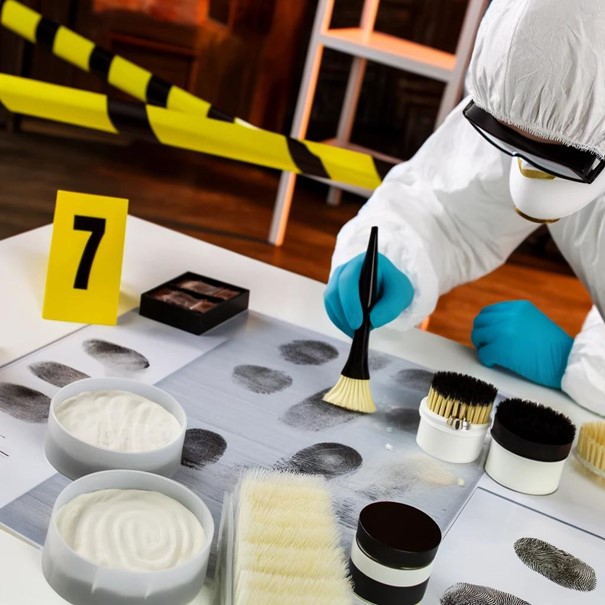
Traditional Methods: Among the most common fingerprint collection methods is dusting. In this method, fine powder is sprinkled over fingerprints, and then the prints are lifted using adhesive tape. The powder makes the prints more visible, allowing them to be easily transferred.
Chemical Methods: In some cases, particularly when prints cannot be clearly lifted from surfaces, chemical substances are used. These chemicals create chemical reactions on the surface to enhance fingerprints. Substances like ninhydrin, silver nitrate, and cyanoacrylate vapor are among the most commonly used chemical agents.
Fingerprint Collection Methods-Image-3
Digital and Advanced Technologies: In modern forensic science, fingerprint collection methods have become more sophisticated. Digital scanning technologies and high-resolution cameras are used to collect and store fingerprints directly in digital format. These methods enable quick and efficient processing of prints.
Mobile Devices Used in the Field: Forensic teams can quickly collect suspects’ fingerprints and compare them with database information using mobile fingerprint scanning devices in the field. These devices allow for rapid and effective identity verification at crime scenes.
These collection methods ensure fingerprints are obtained accurately and completely for forensic analysis. The quality and clarity of prints directly affect the success of subsequent analysis phases, making the collection process extremely important.
Classification and Analysis of Fingerprints
The classification and analysis of fingerprints is one of the fundamental components of fingerprint examinations in forensic science. These processes involve detailed examination of collected fingerprints, their classification according to characteristics, and recording them for use in criminal investigations.
Classification and Analysis of Fingerprints-Image-4
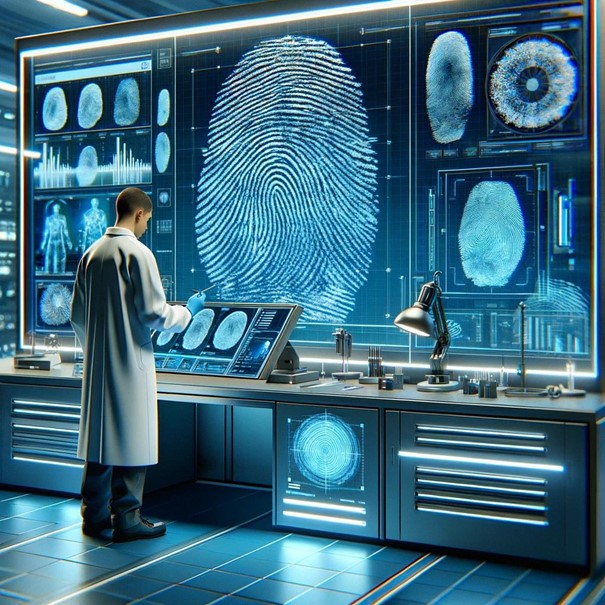
Classification Systems: Fingerprints are divided into various categories based on their general characteristics. The most common classification system is based on basic patterns such as ridges and loops in prints. This classification enables archiving of fingerprints and quick access when needed.
Detail Analysis: Each fingerprint has unique microscopic features known as “minutiae.” Minutiae include pattern details such as bifurcation points and endings. Experts use these details to compare and match fingerprints.
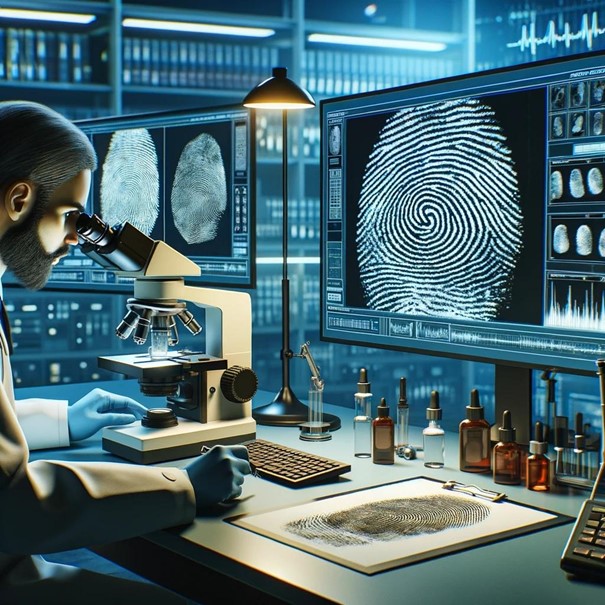
Automated Recognition Systems: Among advanced forensic technologies, Automated Fingerprint Identification Systems (AFIS) are highly important. AFIS quickly and accurately searches large databases, comparing newly collected prints with existing records. These systems minimize human error and speed up the process when analyzing fingerprints.
Importance of the Analysis Process: Fingerprint analysis is a critical tool for verifying individuals’ identities in criminal investigations. These analyses are used to prove suspects’ presence at crime scenes or clear individuals of accusations.
The classification and analysis of fingerprints is a sensitive process requiring attention in forensic science. This process plays an important role in solving crimes and ensuring justice. Each stage is conducted meticulously to ensure the accuracy and reliability of prints.
Classification and Analysis of Fingerprints-Image-5
Fingerprint Comparison and Verification
Fingerprint comparison and verification is the process of matching collected fingerprints with recorded prints in forensic science. This process is vital in confirming suspects’ identities or determining individuals’ connections to a crime.
Comparison Techniques: Fingerprint comparison is typically conducted in two stages: first, the general pattern structure of the collected print is determined and compared with similar patterns in large databases. Then, microscopic details, particularly features called minutiae, are carefully examined. These minutiae are used to determine unique differences between prints.
Manual and Automated Systems: The comparison process can be performed through both manual and automated systems. Manual systems are conducted by experienced forensic experts and require detailed observation. Automated systems, such as Automated Fingerprint Identification Systems (AFIS), quickly scan large databases and identify possible matches.
Verification Process: When a match is found, the fingerprint’s accuracy is verified using a second forensic expert or more advanced technological tools. This ensures prevention of false positive results and increases the process’s reliability.
Role in Legal Proceedings: Verified fingerprint comparisons can be presented as strong evidence in courts. This evidence can be used by defense or prosecution to provide definitive proof of whether a person was involved in a crime.
Fingerprint comparison and verification processes form the foundation of forensic science and play a critical role in solving criminal investigations. Conducting these processes meticulously contributes to ensuring fair trial processes and helps serve justice.

Fingerprint Comparison and Verification-Image-6
The Role of Fingerprints in Legal Proceedings
The role of fingerprints in legal proceedings is one of the most critical elements in forensic science. From criminal investigations to courtrooms, fingerprint evidence can significantly influence case outcomes.
Use as Evidence in Court: Fingerprints are frequently used evidence in courts for identifying criminals and verifying identities. Proving that a fingerprint belongs to a suspect is generally considered strong indication of their presence at the crime scene. This is particularly important in crimes requiring direct physical contact, such as theft and murder.
Role in Defense and Prosecution Strategies: Defense attorneys may question fingerprint evidence to prove their clients’ innocence or point to possible errors in collection and analysis processes. On the other hand, prosecutors use fingerprint evidence to prove suspects’ presence at crime scenes.
Accuracy and Reliability Debates: The admissibility of fingerprint evidence in court depends on how these prints were collected, stored, and analyzed. Incorrect collection methods or analysis errors can reduce evidence reliability and lead to questioning in legal proceedings.
International Standards and Protocols: Certain standards and protocols must be followed for fingerprint evidence to be used in legal proceedings. These standards are established internationally to ensure objective and fair evaluation of evidence.
Training and Certification: Forensic experts performing fingerprint analysis are expected to have received necessary training and hold certification in this field. This increases the reliability of results obtained and ensures analysis processes are conducted to high standards.
Fingerprints play a fundamental role in ensuring fair trials in legal proceedings. The correct and fair use of this evidence is critical in the administration of justice.
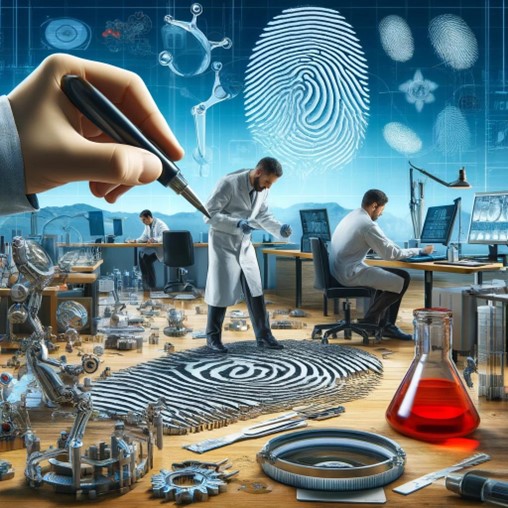
The Role of Fingerprints in Legal Proceedings-Image-7
Challenges in Fingerprint Examinations
Fingerprint examinations, while being an important component of forensic science, can face various challenges. Overcoming these challenges is critical for improving the process’s effectiveness and accuracy.
Surface Conditions: The quality of fingerprints largely depends on the type and condition of the surface where the print was left. Rough, dirty, oily, or damp surfaces can make fingerprint collection difficult. Obtaining quality prints from such surfaces requires special techniques and equipment.
Environmental Factors: Weather conditions can cause fingerprints to deteriorate or disappear. External factors like rain, snow, and extreme temperatures particularly make it difficult to preserve prints.
Outdated or Insufficient Technology: Some forensic laboratories may be equipped with outdated technologies. This can negatively affect the accuracy and speed of fingerprint examinations, especially in developing countries.
Human Error: Fingerprint examinations require high levels of expertise and attention. Expert fatigue or carelessness can lead to incorrect analyses and erroneous results.
Legal Restrictions and Privacy Violations: Fingerprint collection and use is surrounded by legal limitations as it may interfere with individuals’ privacy rights. This can restrict forensic experts’ scope of action, especially when processing sensitive information.
Dealing with Large Data Sets: Modern forensic systems process large amounts of fingerprint data. Managing, storing, and analyzing this data creates both technological and operational challenges.
Overcoming these challenges requires continuous training, technological investments, and regular review of procedures. Innovations in forensic science play a major role in reducing these challenges and making fingerprint examinations more effective and accurate.
FREQUENTLY ASKED QUESTIONS (FAQ)
- How long does fingerprint analysis take?
- The duration of fingerprint analysis can vary depending on the quality of collected evidence, examination methods, and available laboratory conditions. While a simple comparison might take a few hours, more complex cases can take several days or longer.
- Is a fingerprint considered evidence?
- Yes, fingerprints are accepted as valid and strong evidence in criminal investigations. Fingerprints are used to identify suspects and prove their presence at crime scenes.
- Under what circumstances are fingerprints taken?
- Fingerprints are taken during criminal investigations, identity verification processes, and certain official procedures (such as passport applications, certain license applications). Additionally, fingerprints may be taken when someone is suspected of being involved in a crime or when personal identity needs to be verified.
- How long are fingerprints stored?
- The storage duration of fingerprints varies depending on legal regulations and storage purpose. In criminal cases, fingerprints are generally stored until cases are concluded or for a legally specified period. In some countries, fingerprints related to certain crimes may be stored permanently.
- From which surfaces can fingerprints not be taken?
- Fingerprints typically cannot be successfully collected from very rough, very soft, or dirt-covered surfaces. Additionally, it is difficult to collect fingerprints from surfaces containing high levels of corrosive chemicals or frequently exposed to water contact.
- #In conclusion, fingerprint analysis is one of the most fundamental methods contributing to solving crimes in forensic science. Each individual’s unique fingerprints make this method extremely reliable for identifying individuals and solving crimes. With advancing technology, fingerprint collection, analysis, and comparison processes have become faster with increased accuracy rates. However, successful execution of this process requires high-level expertise, proper technology use, and continuous training.
Innovations in forensic science significantly contribute to ensuring justice in criminal investigations by enabling more effective fingerprint examinations. This helps both bring criminals to justice and prevent innocent people from being wrongly accused, thus enabling fair trials, which is the fundamental purpose of judicial processes.
When you need expert support in re-evaluating your fingerprint reports and identifying deficiencies, DNA Criminal and Forensic Computing is always by your side. We will continue to contribute to ensuring justice with our reliable, innovative, and comprehensive fingerprint report analysis services.
DNA Criminal and Digital Forensics, pursuing the truth with Next Generation Criminal Solutions!
- Regarding an Occurred / Alleged Incident;
On #EVENTS and #EVIDENCE,
Establishing #CONNECTIONS between #CAUSE and #EFFECT,
Through #EXAMINATION, #EVALUATION and #ANALYSIS,
Prepared for revealing the material truth,
#TECHNICAL REPORT
To present with #Legal #DEFENSE based on Technical Report.
For expert guidance on your fingerprint report analysis issues and Next Generation Criminal Solutions and consulting (WhatsApp 552 676 11 00) you can contact us 24/7.